Best Smartphones of 2026: Reviews, Comparisons, and Buying Guides

Introduction
Choosing a new smartphone in 2026 is not as simple as picking the newest model from a popular brand. Today’s phones offer powerful processors, advanced cameras, artificial intelligence features, brighter displays, and improved battery technology. At the same time, prices vary considerably, making it important to understand which features are genuinely worth paying for.
Major manufacturers, including Apple, Samsung, Google, Xiaomi, and Motorola, continue to compete for attention with devices designed for different users. Some smartphones focus on photography and performance, while others emphasize AI-powered software, long battery life, or affordable pricing.
Recent smartphone buying guides highlight devices such as the iPhone 18 Pro series, Samsung Galaxy S26 Ultra, Google Pixel 10a, and newer Pixel models as notable options in different categories. Foldable smartphones are also becoming more competitive, giving consumers additional choices beyond traditional designs. citeturn977393news4turn977393news5turn977393search0
However, the most expensive smartphone is not necessarily the best choice for everyone. A student may need a reliable battery and affordable price, while a professional photographer may prioritize camera versatility. Someone who spends hours gaming may care more about processor performance and heat management.
This guide explores some of the best smartphones to consider in 2026, compares their strengths and weaknesses, and explains how to choose a device that offers the right balance of performance, features, and value.
1. Apple iPhone 18 Pro and iPhone 18 Pro Max: Premium Performance
Apple’s iPhone Pro series is designed for users who want powerful hardware, advanced cameras, and a closely integrated software experience.
The iPhone 18 Pro and iPhone 18 Pro Max are prominent premium options in current 2026 buying guides. Their appeal includes strong performance, sophisticated photography features, and Apple’s broader ecosystem of applications and devices. citeturn977393news4turn977393search0
One of the main advantages of an iPhone is the integration between its hardware and software. This can provide a consistent experience across messaging, photography, video editing, and everyday applications. People who already own an Apple Watch, MacBook, or iPad may also appreciate how these devices work together.
The Pro models are particularly attractive to users who take photographs frequently or record video for social media and professional projects. Advanced camera controls provide greater flexibility for people who want more than basic point-and-shoot photography.
What makes them attractive?
- Powerful processors for demanding applications and games.
- Advanced camera systems and video-recording features.
- Integration with Apple’s software and hardware ecosystem.
- Access to Apple’s supported software updates and security features.
Potential disadvantages: Premium pricing can make these devices expensive, especially when choosing higher storage capacities. Their most advanced features may also be unnecessary for people who mainly use their phones for messaging, browsing, and streaming.
Who should consider them?
The iPhone 18 Pro is worth considering for users who want a premium phone in a relatively manageable size. The iPhone 18 Pro Max may suit people who prefer a larger display for videos, games, and productivity.
2. Samsung Galaxy S26 Ultra: A Feature-Rich Android Flagship
Samsung’s Galaxy S26 Ultra is one of the leading Android options for buyers who want advanced hardware and a broad selection of features.
Current reviews highlight its camera versatility, large display, AI capabilities, and integrated S Pen. Its Privacy Display is another notable feature designed to help limit what people nearby can see on the screen. citeturn977393news4turn977393search1
The phone is especially appealing to people who use their devices for several different purposes. A large screen is useful for reading documents, editing photographs, watching videos, and working with multiple applications.
The S Pen provides additional flexibility for handwritten notes, annotations, and selected creative tasks. For professionals who frequently review documents or capture ideas on the move, this can be a meaningful advantage.
Samsung’s camera system is another major selling point. Multiple rear cameras offer flexibility when photographing landscapes, portraits, and distant subjects. Image processing and AI-assisted editing can also help users improve their photographs.
However, the Galaxy S26 Ultra is a premium device, and its extensive software features may feel overwhelming to people who prefer a simpler interface.
Main advantages:
- Versatile camera hardware with zoom capabilities.
- Large, high-quality display.
- S Pen support for notes and productivity.
- Extensive customization and AI-assisted features.
Potential disadvantages: Its size, price, and numerous software options may not suit every user. People who already own a recent Ultra model should also compare the actual improvements before upgrading.
Who should consider it?
The Galaxy S26 Ultra is a strong option for Android users who want an all-in-one device for photography, productivity, entertainment, and demanding applications.
3. Google Pixel 11 Series: AI and Everyday Photography
Google’s Pixel smartphones are known for their clean software experience, computational photography, and integration with Google’s services.
The Pixel 11 family has become part of the 2026 smartphone conversation, with buying guides highlighting the series as an option for people interested in Google’s AI-focused approach. citeturn977393news5turn977393search1
Pixel devices appeal to users who want useful software features without having to navigate an interface filled with unnecessary complexity. Depending on the model and supported features, Google’s AI tools can assist with photography, search, writing, and everyday information tasks.
Camera processing is another reason to consider the Pixel range. Software can help balance exposure, improve detail, and produce attractive images in a variety of conditions. This can be particularly useful for people who want dependable photographs without spending much time adjusting settings.
Google’s integration with Android and its own applications may also appeal to users who regularly use Gmail, Google Photos, Google Drive, and other services.
However, the Pixel 11 models should be compared individually. Features, camera capabilities, screen sizes, and prices vary between standard and Pro versions.
Main advantages:
- AI-focused software features.
- Strong computational photography.
- Familiar integration with Google services.
- A relatively straightforward Android experience.
Potential disadvantages: Gaming performance, charging speeds, pricing, and camera flexibility may vary between models and should be checked before purchasing.
Who should consider them?
Pixel phones are worth exploring for users who prioritize photography, useful AI features, and a straightforward software experience.
4. Google Pixel 10a: A Stronger Focus on Value
Not everyone needs a thousand-dollar smartphone. For many buyers, an affordable phone that performs everyday tasks reliably is a more sensible investment.
The Google Pixel 10a has received attention in 2026 buying guides as a budget-friendly option, offering access to Google’s Android experience and selected AI-powered features at a lower price than premium flagships. citeturn977393news5turn977393search0
A phone in this category can handle everyday activities such as browsing, messaging, video streaming, photography, and social media without requiring the highest-end hardware.
For students, families, and people upgrading from an older device, a well-equipped midrange smartphone can provide most of the features they need.
The Pixel 10a is particularly worth investigating for buyers who appreciate Google’s software and camera processing but do not want to pay flagship prices.
Main advantages:
- More accessible pricing than premium flagship devices.
- Useful everyday performance.
- Google’s familiar Android experience.
- Camera and AI features suited to ordinary use.
Potential disadvantages: Buyers may need to accept compromises in processing power, camera versatility, charging, or premium materials compared with more expensive models.
Who should consider it?
The Pixel 10a is worth considering for budget-conscious users who want a capable smartphone without paying extra for features they may rarely use.
5. Samsung Galaxy S26 and S26+: Balanced Premium Options
The Galaxy S26 and S26+ provide alternatives for users who want a premium Samsung experience without necessarily choosing the Ultra model.
They are part of Samsung’s flagship family and offer a different balance of size, hardware, and features. Recent buying guides continue to recommend considering these models alongside the S26 Ultra. citeturn977393news4turn977393search1
The standard Galaxy S26 may suit people who prefer a more compact device that is easier to carry and operate with one hand. The S26+ offers a larger screen for users who spend more time watching videos, reading, or multitasking.
Both options may be appealing to people who want a premium Android phone but do not need every feature associated with the Ultra model.
When comparing them, buyers should pay attention to battery capacity, camera differences, screen size, and pricing. A smaller phone may be more comfortable to carry, while a larger model may provide a more enjoyable viewing experience.
Who should consider them?
Choose the standard S26 if portability matters most. Consider the S26+ if you prefer a larger screen without moving to the largest Ultra model.
6. Motorola Razr Ultra (2026): A Different Kind of Smartphone
Foldable smartphones offer an alternative to conventional rectangular devices. The Motorola Razr Ultra (2026) is among the notable foldable options appearing in current smartphone guides. citeturn977393news5turn977393search12
Its flip-style design allows the device to fold into a smaller form, making it easier to carry in a pocket or compact bag. When opened, it provides a larger screen for regular smartphone activities.
The external display can also make selected tasks more convenient, depending on the software support available. Users may be able to check notifications, control media, or access compatible features without fully opening the phone.
Foldable phones can be attractive to people who want something different from a traditional smartphone. However, buyers should consider durability, repair costs, battery performance, and the practical usefulness of the external display.
They also tend to cost more than many conventional phones with comparable core specifications.
Who should consider it?
The Razr Ultra is worth exploring for buyers who prefer a compact foldable design and want a premium device with a distinctive appearance.
7. Samsung Galaxy Z Fold8 Series: Smartphones With Larger Screens
Book-style foldable smartphones attempt to combine the portability of a phone with some of the convenience of a small tablet.
The Galaxy Z Fold8 series is among the foldable devices highlighted in current 2026 buying guides. These phones are designed for people who want a larger internal display for multitasking, reading, and working with documents. citeturn977393news5turn977393search12
A foldable screen can be useful when reviewing spreadsheets, reading long articles, managing several applications, or watching videos. Some software features are designed to take advantage of the larger display by allowing applications to appear side by side.
However, foldable devices are not automatically better than conventional phones. They may be heavier, more expensive, and more complicated to repair.
The hinge and flexible display also require care. Buyers should investigate durability ratings, warranty conditions, and the availability of repairs before spending a significant amount of money.
Who should consider it?
A book-style foldable is best suited to people who genuinely benefit from a larger mobile workspace. For users who mainly send messages and browse social media, a conventional flagship may offer better value.
8. Best Smartphone Categories at a Glance
The following comparison summarizes which types of phones may suit different users. It is a buying guide rather than a claim that one model is objectively best for everyone.
| Smartphone | Best suited for | Main attraction | Main consideration |
|---|---|---|---|
| iPhone 18 Pro | Premium iPhone users | Performance and cameras | High price |
| iPhone 18 Pro Max | Large-screen iPhone users | Display and premium features | Size and cost |
| Samsung Galaxy S26 Ultra | Power users | Cameras, S Pen, and versatility | Price and complexity |
| Google Pixel 11 series | AI and photography enthusiasts | Google software and AI | Compare model-specific features |
| Google Pixel 10a | Budget-conscious buyers | Everyday value | Fewer premium features |
| Samsung Galaxy S26/S26+ | Mainstream premium users | Balanced flagship experience | Size and price differences |
| Motorola Razr Ultra (2026) | Foldable enthusiasts | Compact flip design | Durability and repair costs |
| Samsung Galaxy Z Fold8 series | Multitaskers | Large folding display | High cost and bulk |
Actual prices, availability, and specifications can vary by country, retailer, storage configuration, and carrier. Before buying, consult the manufacturer’s official specifications and independent reviews.
9. How to Choose the Best Smartphone for Your Needs
A good smartphone purchase begins with understanding how you intend to use the device.
Set a realistic budget
Decide how much you can comfortably spend before comparing specifications. Premium phones may offer impressive technology, but many midrange devices already handle everyday tasks very well.
Remember to include accessories, insurance, repair costs, and any additional subscription fees in your overall budget.
Decide between Android and iOS
The choice between Android and iOS can influence your experience for years.
Android offers a wide variety of devices, price points, customization options, and designs. iOS provides Apple’s software ecosystem and close integration with other Apple products.
If you already own a smartwatch, tablet, or computer, consider how easily the new phone will work with those devices.
Compare cameras carefully
Do not judge a camera only by megapixel numbers. Look at sample photographs, low-light results, portrait quality, zoom performance, and video stabilization.
If you frequently photograph children, pets, or sporting events, autofocus and the ability to capture moving subjects may matter more than some specialized camera modes.
Consider battery life and charging
A phone with strong battery endurance can be more useful than one with a faster processor but poor efficiency.
Look for independent battery tests and consider whether you prefer wired fast charging or wireless charging. Check whether the required charger is included.
Check software support
Security updates protect devices against known vulnerabilities. Before buying, confirm how long the manufacturer intends to provide operating-system and security updates for the specific model.
Longer support can make a smartphone a better long-term investment.
Think about storage
Photographs, videos, games, and applications can consume storage quickly. Choose enough capacity for your needs, especially if you regularly record high-resolution video.
Check whether the phone supports expandable storage before assuming you can add space later.
Read independent reviews
Manufacturer advertisements explain what a device is designed to offer, but independent testing helps show how it performs in everyday use.
Look for reviews that examine battery endurance, camera quality, display brightness, software stability, and real-world performance.
10. Is It Worth Upgrading Your Smartphone in 2026?
Whether you should upgrade depends on the condition of your current phone and the benefits offered by a replacement.
If your device has a failing battery, regularly crashes, lacks sufficient storage, or no longer receives security updates, replacing it may be sensible. A new phone can also be worthwhile if you need a better camera, improved accessibility features, or support for applications your current device cannot handle.
However, upgrading every year is rarely necessary for everyone. Many smartphones released in previous years remain capable of handling messaging, browsing, video streaming, photography, and common productivity tasks.
Consumer Reports’ buying guidance also emphasizes that older smartphones may continue to provide good performance, while the latest models sometimes offer only incremental improvements. citeturn977393search3
Before replacing a phone, consider whether a battery replacement or screen repair could extend its useful life. If you decide to upgrade, compare the practical benefits rather than focusing exclusively on the release date.
Buying an older flagship at a discount may also provide a better balance of performance and price than purchasing the newest premium model.
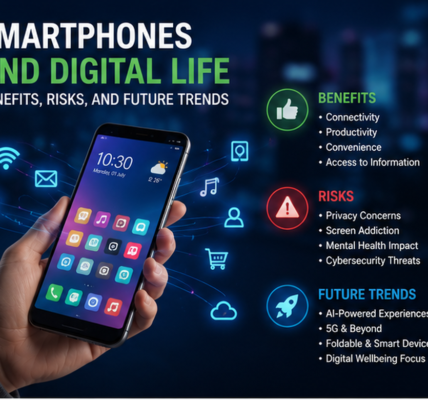
11. Smartphone Trends to Watch in 2026
Several developments are influencing the direction of the smartphone market.
AI-powered experiences: Manufacturers are incorporating AI into search, photography, translation, writing assistance, and other everyday features. Buyers should check which functions work on-device and which require internet access or additional payments.
Better camera processing: Image processing, stabilization, and computational photography continue to shape smartphone photography. Improvements in software can be just as important as changes to camera hardware.
Foldable designs: Flip-style and book-style phones are giving consumers additional choices. Their continued success will depend on practical usefulness, durability, and affordability.
Longer software support: Buyers increasingly have reasons to consider security updates and device longevity when comparing smartphones.
More capable affordable phones: Midrange models continue to offer combinations of good displays, capable cameras, and reliable performance that meet the needs of many users.
Sustainability and repairability: Longer device lifespans, accessible repairs, and responsible recycling can help reduce electronic waste.
These trends suggest that smartphone innovation is becoming less about a single headline feature and more about improving the overall experience.
Conclusion
The best smartphones of 2026 offer a wide range of options for different budgets and priorities. The iPhone 18 Pro series appeals to people seeking a premium Apple experience, while the Samsung Galaxy S26 Ultra stands out for its extensive Android features and versatile camera system. Google’s Pixel devices are worth considering for AI-assisted software and photography, and the Pixel 10a provides an alternative for buyers who want to spend less.
Foldable devices such as the Motorola Razr Ultra and Samsung Galaxy Z Fold8 series offer different designs for people who value portability or a larger working display.
Ultimately, there is no single smartphone that is perfect for everyone. The right choice depends on your budget, preferred operating system, camera needs, battery expectations, and how long you plan to keep the device.
Before making a purchase, compare independent reviews, confirm official specifications, check software-support commitments, and look for current offers from reputable retailers.
A smart buying decision is not simply about owning the newest phone. It is about choosing a device that performs reliably, offers useful features, protects your information, and delivers good value over time.
As smartphone technology continues to advance, consumers can expect further improvements in AI, photography, displays, and efficiency. The best phone will be the one that turns these innovations into practical benefits for your everyday life.