
Foldable smartphones have moved from futuristic prototypes to serious alternatives to traditional phones. What once seemed like a novelty is now a growing category, with manufacturers competing to make folding devices thinner, lighter, more durable, and more useful.
In 2026, foldable phones are more advanced than the first generations. Newer models offer larger displays, improved hinges, better water and dust resistance, stronger performance, and increasingly useful multitasking features. The category is also expanding, with companies such as Samsung, Google, Motorola, HONOR, OPPO, and others competing for buyers.
But there is still an important question: Are foldable smartphones really worth the money?
The answer depends on how you use your phone, your budget, and how much you value a larger screen or compact design. In this guide, we will examine the advantages and disadvantages of foldable smartphones, durability, price, performance, battery life, productivity, and whether buying one makes sense in 2026.
What Is a Foldable Smartphone?
A foldable smartphone uses a flexible display and specialized hinge that allows the device to physically fold.
There are two main designs.
Flip-Style Foldables
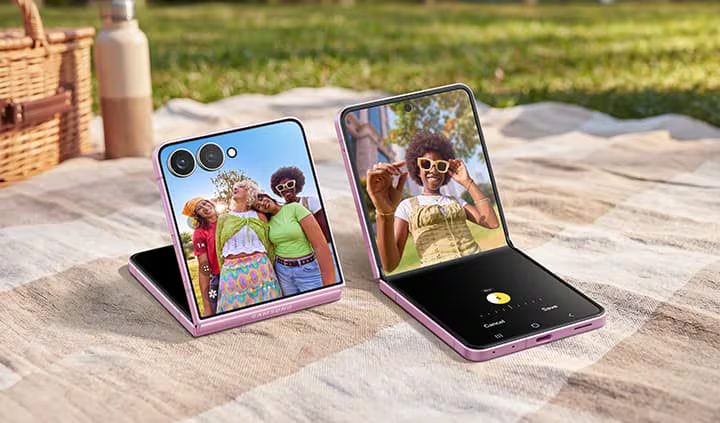
Flip phones fold vertically, making a standard-sized smartphone much smaller when closed.
The benefit is portability. You can have a relatively large smartphone display when the device is open while carrying something much more compact in your pocket.
Book-Style Foldables
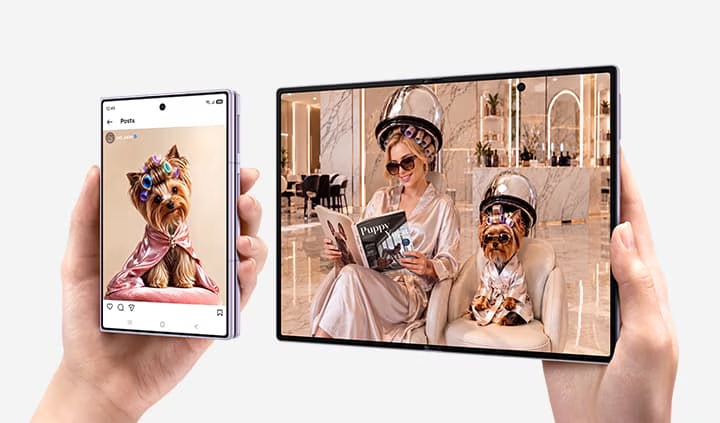
Book-style foldables open horizontally, transforming from a conventional smartphone into a much larger display.
These devices are particularly useful for multitasking, reading, watching videos, editing documents, and other activities that benefit from additional screen space.
Samsung describes the basic difference similarly: flip-style devices prioritize pocketability, while book-style models provide a larger, tablet-like display when unfolded.
Why Are Foldable Phones Becoming Popular?
Traditional smartphones have become increasingly similar. Most modern flagship phones already offer fast processors, excellent cameras, high-quality displays, and strong battery life.
Foldable smartphones offer manufacturers another way to differentiate their products.
Instead of simply making a conventional phone slightly faster, a foldable can change the physical form of the device.
The market is also growing. Reuters reported in July 2026 that foldable smartphone shipments were expected to increase by around 20% during 2026, even as the broader smartphone market faced contraction.
That does not mean foldables are replacing traditional phones, but it does show that consumers are increasingly interested in the form factor.
Advantages of Foldable Smartphones
1. Larger Screen in a Portable Design
The biggest advantage of a foldable phone is the screen.
A book-style foldable can give you a display approaching small-tablet territory while still functioning as a phone when closed.
This can be useful for:
- Watching movies
- Reading e-books
- Viewing documents
- Editing photos
- Browsing websites
- Managing spreadsheets
- Multitasking
For people who frequently use their smartphone for work or entertainment, the extra screen real estate can make a noticeable difference.
2. Excellent Multitasking
Multitasking is one of the strongest arguments for buying a book-style foldable.
Instead of constantly switching between applications, you can often place multiple apps on the larger display.
For example, you might keep an email application open alongside a browser or use a messaging app while referencing a document.
Current foldable models increasingly emphasize multitasking and productivity features, making the larger screen more useful than simply being a bigger display.
3. Better for Media Consumption
If you watch YouTube videos, movies, sports, or other visual content on your phone, a larger unfolded screen can provide a more immersive experience.
The wider displays on newer book-style foldables are also improving the viewing experience. Samsung’s latest Fold generation, for example, moved toward a wider main display designed to make better use of the available screen area for video and other content.
4. Compact Flip Phones
Flip-style foldables offer the opposite advantage.
Instead of giving you a tablet-sized screen, they make a conventional smartphone significantly more compact.
That can be particularly useful for people who dislike carrying large phones.
Some modern flip phones also allow users to interact with notifications, widgets, cameras, and selected applications through the external display without opening the phone.
5. A More Flexible Camera Experience
Foldable designs can create interesting camera possibilities.
Because the phone can partially fold, users can position it at different angles for photographs and video calls. Some models can also use the external screen to preview a photograph while using the main cameras.
This can be useful for selfies, group photos, video calls, and hands-free recording.
Disadvantages of Foldable Smartphones
Despite their improvements, foldables are not perfect.
1. High Price
Price remains one of the biggest disadvantages.
Premium book-style foldables can cost considerably more than conventional flagship smartphones. For example, Samsung’s Galaxy Z Fold8 launched in 2026 at $1,899 in the United States, while the premium Fold8 Ultra reached $2,099.
That is a substantial investment.
If you mainly use your phone for calls, messaging, social media, photography, and browsing, a conventional flagship may provide better value.
2. Durability Concerns
Durability has improved significantly, but foldable phones still contain more moving parts than traditional smartphones.
The hinge and flexible internal display create additional engineering challenges.
Modern foldables are much tougher than early generations, and several current models have improved water and dust resistance. However, the flexible inner display can still be more vulnerable to scratches, pressure, and certain types of damage than the glass display on a conventional smartphone.
This does not mean modern foldables are fragile. It simply means owners should treat them differently.
3. Expensive Repairs
Repairs can be another concern.
A conventional smartphone has a relatively straightforward physical design. A foldable contains a hinge, flexible display assembly, and additional components.
Damage to the inner display or hinge can therefore be more complicated and expensive to repair.
Before purchasing a foldable, it is sensible to check warranty coverage, accidental-damage protection, repair options, and local service availability.
4. Battery Trade-Offs
A foldable phone has to power its displays while fitting the battery and other components into a folding chassis.
Battery technology has improved, but some foldables still involve compromises compared with conventional phones of similar price.
The exact experience varies considerably by model. Some newer foldables deliver excellent all-day battery life, while others may prioritize thinness or display size over battery capacity.
5. Weight and Thickness
A foldable phone can be heavier or thicker than a traditional smartphone, particularly when closed.
Manufacturers are working to reduce this difference. Recent models are becoming thinner and lighter, but the physical mechanism still adds complexity.
If you prefer an extremely thin conventional smartphone, a foldable may not feel as comfortable in your pocket.
Are Foldable Phones Durable Enough in 2026?
This is one of the most important questions for potential buyers.
The short answer is yes for normal use, but with some additional care.
Modern foldables have stronger hinges, improved flexible displays, better protective materials, and improved resistance to environmental exposure compared with early devices.
However, laboratory fold-cycle ratings should not be interpreted as guarantees against every type of real-world damage. Drops, pressure, dust, sand, and debris can create problems that controlled hinge testing does not necessarily represent.
If you frequently work around construction sites, beaches, workshops, or dusty environments, a conventional smartphone may still be the safer choice.
Foldable Phones vs. Traditional Smartphones
The choice becomes easier when you compare what each type does best.
| Feature | Foldable Smartphone | Traditional Smartphone |
|---|---|---|
| Screen size | Excellent on book-style models | Good to excellent |
| Portability | Excellent on flip models | Excellent |
| Multitasking | Excellent | Good |
| Durability | Improving but more complex | Generally simpler |
| Repair cost | Can be higher | Usually easier |
| Price | Often expensive | More choices at different prices |
| Productivity | Excellent on book-style models | Good |
| Design | Innovative | Familiar |
| Battery | Varies by model | Usually more predictable |
| Pocketability | Excellent with flip designs | Depends on phone size |
The best option depends on your priorities rather than specifications alone.
Who Should Buy a Foldable Smartphone?
A foldable phone may be worth considering if you:
- Frequently multitask
- Watch a lot of videos
- Read documents on your phone
- Want a phone that can replace some tablet use
- Prefer compact flip-style devices
- Enjoy trying new technology
- Are comfortable paying a premium
- Take reasonable care of your electronics
For professionals who frequently work from a phone, a book-style foldable can be particularly attractive.
You can carry one device that functions as a regular smartphone and provides a much larger workspace when needed.
Who Should Avoid Foldable Phones?
A conventional smartphone may be the better choice if:
- You have a limited budget
- Maximum durability is your priority
- You work in dusty or harsh environments
- You want the simplest possible device
- You rarely use large-screen features
- You want inexpensive repairs
- You prioritize maximum camera or battery performance for the price
Buying a foldable simply because it looks futuristic may lead to disappointment if you do not actually benefit from its unique design.
Are Foldable Phones Good for Gaming?
Foldable phones can be excellent for gaming because the larger internal screen provides more space for controls and game graphics.
However, the experience depends on the game. Some applications are not optimized perfectly for unusual screen ratios, and larger displays can also consume significant battery power.
For casual and mobile gaming, a high-end foldable can be an excellent experience. Dedicated gaming phones may still offer better cooling or specialized gaming features depending on the model.
Are Foldable Phones Good for Work?
This is where book-style foldables can make the strongest argument.
A larger display allows users to view documents, email, calendars, spreadsheets, websites, and messaging applications more comfortably.
You can also use multitasking features to work with multiple applications simultaneously.
For someone who travels frequently and does not want to carry both a smartphone and small tablet, a foldable can potentially replace some tablet functionality.
What About Software Support?
Software is just as important as hardware for foldable phones.
Applications need to adapt to changing screen sizes and orientations. Manufacturers have therefore invested heavily in software features designed specifically for foldable displays.
Before buying a device, check how long the manufacturer promises software and security updates.
Long software support can make a premium smartphone a better long-term investment.
Are Foldable Smartphones Worth the Money?
For the right person, yes.
For everyone else, probably not.
The biggest mistake is looking only at the novelty of a folding screen.
Ask yourself whether the design solves a real problem.
If a larger display helps you work, read, multitask, or enjoy media every day, the additional cost may be justified.
If you simply want a reliable smartphone for communication, photography, social media, and everyday apps, a conventional flagship can provide a better overall value.
The growing foldable market also means consumers have more choices than before. In 2026, reviewers are evaluating models across categories such as overall performance, budget, compact design, camera quality, and battery life rather than treating foldables as one single type of product.
How to Choose a Foldable Smartphone
Before buying, consider these factors.
Screen Quality
Check the size, brightness, refresh rate, resolution, crease visibility, and usability of both the inner and outer displays.
Hinge Design
A good hinge should feel smooth and stable. Look for information about durability testing and environmental resistance.
Durability Rating
Check the phone’s official water and dust resistance rating rather than assuming every foldable offers the same protection.
Camera Quality
Do not assume that an expensive foldable automatically has the best cameras. Some conventional flagship phones still provide better photography hardware for the price.
Battery Life
Look beyond battery capacity. Real-world battery performance depends on processor efficiency, display technology, software optimization, and how often you use the larger screen.
Software Updates
Long-term software support can make a major difference in the value of an expensive phone.
Warranty and Repair Support
This is particularly important with foldables. Check what is covered and whether authorized repair services are available in your region.
The Future of Foldable Smartphones
The foldable market is still evolving.
Manufacturers are working on thinner designs, stronger hinges, better displays, improved batteries, and more useful software.
Competition is also increasing. Industry forecasts cited in 2026 suggest that foldable shipments could continue growing, while more manufacturers are entering or expanding their presence in the category.
As competition increases, consumers may eventually see more affordable options and fewer compromises.
However, the future of foldables will depend on whether manufacturers can make these devices feel as reliable and convenient as traditional smartphones while maintaining their unique advantages.
Final Thoughts
Foldable smartphones are no longer just a technological experiment. In 2026, they have become mature premium devices with genuine advantages over traditional smartphones.
The biggest benefits are larger screens, multitasking, portability, and flexible form factors. The biggest drawbacks remain price, repair complexity, and the additional care required by flexible displays and hinges.
So, are foldable smartphones really worth it?
If the folding design improves the way you use your phone, they can absolutely be worth it. If you are mainly looking for the best value, maximum durability, or the simplest ownership experience, a traditional smartphone is still the safer choice.
The smartest approach is not to buy a foldable because it is new or fashionable. Buy one because its unique design solves a problem you actually have.