
Choosing a new smartphone can be confusing, especially when two major platforms offer so many impressive features. Android and iPhone have been competing for years, and both have developed into powerful options for everyday users. Whether you care most about camera quality, gaming performance, battery life, customization, or security, each platform has something different to offer.
But which one is actually better? The answer depends on how you use your phone, how much you want to spend, and which features matter most to you.
In this guide, we will compare Android and iPhone across the areas that make the biggest difference in daily use, helping you decide which smartphone platform suits your needs.
1. Android vs. iPhone: Understanding the Main Difference
The biggest difference between Android and iPhone starts with their operating systems.
Android is developed by Google and is used by many smartphone manufacturers, including Samsung, Google, OnePlus, Motorola, and Xiaomi. This gives buyers a wide range of devices, from affordable entry-level phones to premium flagship models.
The iPhone, on the other hand, is made by Apple and runs Apple’s iOS operating system. Because Apple controls both the hardware and software, the company can deliver a more consistent experience across its supported devices.
Android generally focuses on flexibility, variety, and customization. iPhone focuses on simplicity, consistency, and integration with Apple’s wider ecosystem.
Neither approach is automatically better. The right choice depends on what you expect from your smartphone.
2. Design and Display Quality
Design is often one of the first things people consider when buying a smartphone. Both Android manufacturers and Apple offer attractive devices, premium materials, and high-quality displays.
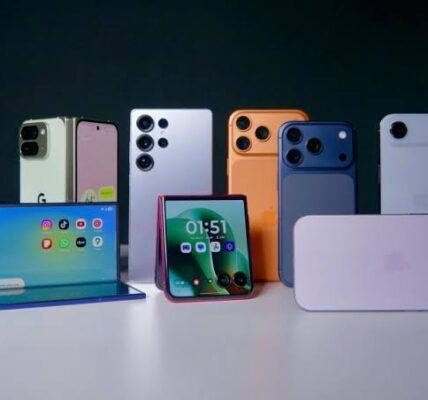
Android provides more variety. Buyers can choose from compact phones, large-screen devices, gaming smartphones, foldables, and models with different camera layouts and finishes. Samsung and other manufacturers also offer foldable phones for people who want a larger display in a portable design.
Apple takes a more consistent approach to design. iPhones generally feature a familiar interface, carefully designed hardware, and displays that deliver sharp images and vibrant colors.
When comparing display quality, it is important to look beyond the brand. Brightness, refresh rate, resolution, color accuracy, and outdoor visibility can vary between models.
A premium Android phone may have a better display than an entry-level iPhone, while a high-end iPhone may outperform a less expensive Android device. Comparing phones in the same price range is the fairest way to judge them.
3. Performance: Which Platform Is Faster?
Performance is another major consideration, particularly for people who play games, edit videos, multitask, or use demanding applications.
Apple designs its own processors for the iPhone, allowing the company to optimize hardware and software together. This often results in strong processing performance, smooth animations, and efficient power management.
Android performance varies more widely because many manufacturers use different processors and hardware configurations. Flagship Android devices can deliver excellent speed, while mid-range and budget models may make compromises to keep prices affordable.
For everyday tasks such as browsing, messaging, streaming, and using social media, both platforms can feel fast and responsive when you choose a good device.
Gaming performance also depends on the specific phone. Processor power, cooling, display refresh rate, and battery management all affect the experience. Some Android gaming phones include advanced cooling systems and gaming-focused controls, while iPhones benefit from powerful processors and broad support for mobile games.
The most important point is that Android is not a single device category. A premium Android phone should not be compared with a budget model and treated as representative of the entire platform.
4. Camera Quality: Android vs. iPhone
Smartphone cameras have become remarkably capable, and both platforms can produce excellent photographs.
iPhones are often appreciated for consistent image processing, natural-looking skin tones, reliable video recording, and a straightforward camera experience. They are particularly attractive to users who frequently record videos for social media or personal projects.
Android offers more variety in camera hardware. Depending on the model, users may get powerful optical zoom, high-resolution sensors, dedicated portrait features, or advanced manual controls.
Google Pixel phones are known for computational photography, while Samsung’s premium Galaxy models often emphasize zoom flexibility and a versatile camera system.
However, a higher megapixel count does not automatically mean a better camera. Sensor size, lens quality, image processing, stabilization, and lighting conditions all influence the final result.
For video creators, an iPhone may be the preferred choice because of its consistent recording experience. For photography enthusiasts who enjoy experimenting with zoom and camera settings, certain Android flagships may be more appealing.
Before buying either platform, compare actual photos and videos from the specific models you are considering.
5. Battery Life and Charging Speed
Battery life can make a major difference in how enjoyable a smartphone is to use.
Android manufacturers offer devices with a wide range of battery capacities and charging speeds. Some models support very fast wired charging, while others focus on power efficiency and long-lasting batteries.
iPhones also offer competitive battery performance, particularly in models designed for extended use. Apple’s control over its processors and operating system can help improve efficiency, although results differ between models.
It is worth remembering that battery capacity alone does not determine how long a phone lasts. Display brightness, processor efficiency, mobile signal strength, background applications, and gaming habits all affect battery consumption.
Charging speed is another area where Android often offers more choices. Some Android devices can recharge significantly faster than many iPhones, although charging performance varies by manufacturer and model.
If you frequently travel, work outdoors, or use your phone heavily, prioritize independent battery tests rather than relying only on advertised specifications.
6. Software and Customization
Software is where Android and iPhone offer noticeably different experiences.
Android allows users to personalize many aspects of the interface. Depending on the manufacturer, you can change launchers, arrange home screens freely, use a wide range of widgets, adjust default applications, and access additional file-management options.
Some Android devices also support advanced multitasking features, including split-screen applications and desktop-style interfaces.
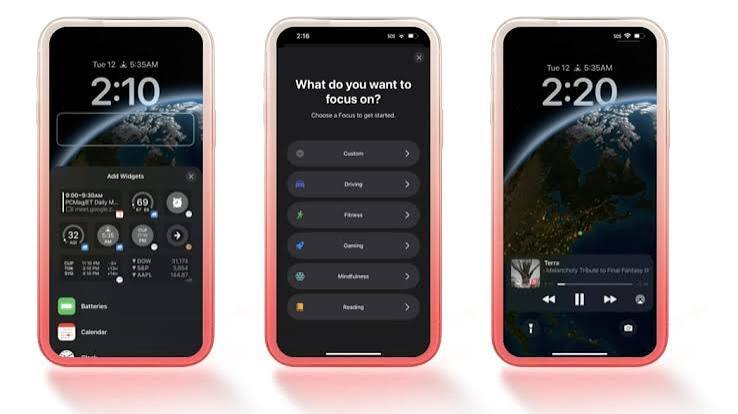
iOS offers a more standardized experience. Apple has expanded customization options over time, including widgets, lock-screen personalization, and greater control over the home screen. However, some aspects of the operating system remain more restricted than Android.
For people who enjoy adjusting every detail of their phone, Android usually provides more freedom.
For users who prefer a familiar interface that requires less setup, iPhone can be the more comfortable option.
Neither platform is completely customizable or completely restrictive. The available features depend on the operating system version, device manufacturer, and installed applications.
7. Apps and Gaming Experience
Both Android and iPhone offer extensive app libraries covering communication, productivity, entertainment, education, photography, and gaming.
For most popular applications, the differences between the platforms are relatively small. Apps such as messaging services, streaming platforms, banking applications, and social networks are widely available on both.
Some applications and games may arrive on one platform before the other, while certain professional or creative apps may work better within a particular ecosystem.
iPhone developers often benefit from Apple’s relatively consistent hardware lineup, which can make it easier to optimize applications for supported devices.
Android developers must account for a much wider variety of screen sizes, processors, and hardware configurations. The result can vary between applications and manufacturers, although many popular Android apps perform extremely well.
Android also provides more flexibility for installing applications outside the main app store, depending on the device, region, and software version. This can be useful for advanced users, but it also introduces additional security risks if applications come from untrusted sources.
For everyday users, both platforms provide everything needed for common tasks. Your favorite apps and games should be part of the buying decision.
8. Security and Privacy
Security is important regardless of which smartphone you choose.
Apple benefits from controlling its hardware, operating system, and app distribution policies. iPhones receive software updates directly from Apple, and the company provides features such as app permissions, tracking controls, and device encryption.
Android also includes strong security protections, such as app sandboxing, permission controls, Google Play Protect, and regular security updates. However, the timing and duration of updates can differ between manufacturers and individual devices.
Some Android manufacturers now offer extended software support, making it possible to keep supported devices secure and functional for many years.
Privacy depends on more than the operating system. The applications you install, the permissions you grant, the accounts you use, and your own security habits all matter.
For either platform, a good security routine includes installing updates, using a strong screen lock, enabling multifactor authentication, and avoiding suspicious links or untrusted downloads.
Rather than assuming one platform is always secure and the other is not, compare the update policy and privacy controls of the specific phone you plan to purchase.
9. Price and Value for Money
Price is one of Android’s biggest advantages.
Because many manufacturers produce Android phones, buyers can find devices at a wide range of prices. Budget and mid-range models often provide good displays, capable cameras, and dependable performance without the cost of a premium flagship.
iPhones generally occupy the mid-range and premium segments of the market, although older models and more affordable models can make the platform accessible to a wider audience.
The initial purchase price is only one part of the equation. Software support, repair costs, battery replacement, trade-in offers, and resale value also affect long-term value.
iPhones have often maintained strong resale values, which can help offset their initial cost. Some Android flagships also retain their value well, but depreciation varies considerably by manufacturer and model.
If your budget is limited, Android usually gives you more options. If you want an iPhone experience, comparing the latest affordable model with a discounted previous-generation iPhone can be a sensible approach.
10. Ecosystem: Which Works Better With Your Other Devices?
Your existing devices can make one platform more convenient than the other.
Apple’s ecosystem connects the iPhone with products such as the Mac, iPad, Apple Watch, and AirPods. Features like AirDrop, iCloud synchronization, and device continuity can make moving between Apple devices relatively effortless.
Android works with a broader selection of manufacturers and services. Samsung Galaxy phones integrate closely with Galaxy tablets, watches, and Windows computers, while Google services connect Android devices with products such as Chromebooks and other compatible hardware.
Neither ecosystem is limited to its own products. iPhones work with many third-party accessories and Windows applications, while Android phones can use numerous cross-platform services.
However, some features work best when your devices belong to the same ecosystem.
If you already own a Mac and Apple Watch, an iPhone may be the more convenient choice. If you use Google services extensively or prefer choosing accessories from different manufacturers, Android may offer greater flexibility.
Android vs. iPhone: Quick Comparison
| Feature | Android | iPhone |
|---|---|---|
| Device variety | Wide selection across brands | Apple-designed lineup |
| Price range | Budget to premium | Primarily mid-range and premium |
| Customization | Generally more flexible | More controlled, with growing options |
| Performance | Excellent on flagship models; varies by device | Consistently strong across supported models |
| Camera quality | Varies by manufacturer; strong zoom options on some models | Consistent photography and strong video on many models |
| Charging | Often faster on selected models | Generally more conservative, depending on model |
| Software updates | Depends on manufacturer and device | Updates delivered directly by Apple |
| App selection | Extensive | Extensive |
| Foldable phones | Multiple options available | Traditional iPhones remain Apple’s main format |
| Ecosystem | Broad hardware and service compatibility | Particularly strong integration with Apple devices |
Which Should You Choose: Android or iPhone?
The best choice depends on your priorities rather than brand loyalty.
Choose Android if:
- You want more choices across different price ranges.
- You enjoy customizing your home screen and interface.
- You want access to different phone designs, including foldables.
- Fast charging, specialized hardware, or advanced multitasking is important to you.
- You prefer flexibility when choosing devices and services.
Choose iPhone if:
- You prefer a straightforward, consistent user experience.
- You already use a Mac, iPad, Apple Watch, or other Apple products.
- You care about strong video recording and dependable performance.
- You want software updates delivered directly by Apple to supported devices.
- You value resale potential and a closely integrated ecosystem.
These are general guidelines, not strict rules. Some Android phones are easier to use than others, and many iPhones offer advanced features that appeal to experienced users.
Final Verdict
The Android versus iPhone debate does not have a universal winner. Both platforms have matured considerably, and the differences are now often more about flexibility, ecosystem, pricing, and personal preferences than basic performance.
Android stands out for its wide range of devices, customization options, and flexibility. It gives buyers the freedom to choose a phone that fits their budget and preferred features.
iPhone stands out for its close integration between hardware and software, consistent user experience, and strong connections with Apple’s other products.
Before making a decision, compare specific phones at similar prices. Look at camera samples, battery tests, software support, storage options, and the features you use most often.
Ultimately, the best smartphone is the one that fits your everyday routine, works well with your other devices, and offers the right balance of performance and value. Whether you choose Android or iPhone, a carefully selected model can provide an excellent experience for years to come.