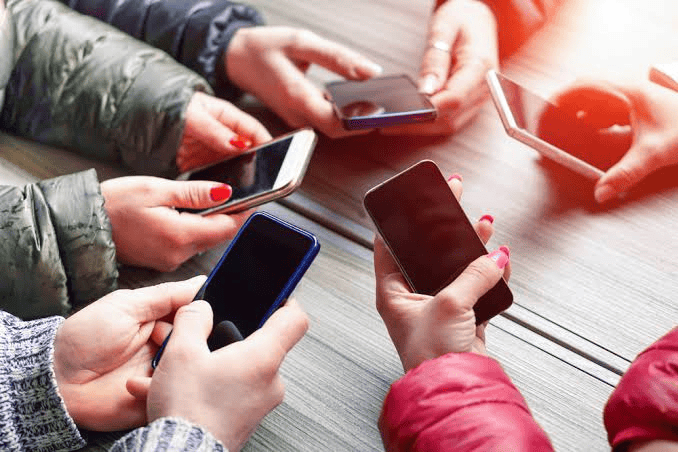

Smartphones have become one of the most influential technologies of the modern world. What once started as a simple device for making calls and sending messages has evolved into a powerful tool for communication, entertainment, education, work, shopping, photography, banking, navigation, and much more.
Today, a smartphone can replace several traditional devices. It can function as a camera, calculator, map, music player, alarm clock, notebook, television, payment tool, and even a portable computer.
The impact of smartphones goes far beyond convenience. They have changed how people communicate, access information, manage businesses, learn new skills, and interact with the world.
As smartphone technology continues to develop, these devices are becoming an increasingly important part of everyday life.
What Makes Smartphones So Powerful?
A smartphone combines communication, computing, internet connectivity, sensors, cameras, applications, and entertainment in a single portable device.
Modern smartphones can connect to high-speed networks, run advanced applications, capture high-quality photos and videos, provide navigation, and support a wide range of digital services.
The real power of smartphones comes from their applications.
A single device can give users access to thousands of tools designed for different needs. Students can use educational applications, professionals can manage work tasks, travelers can use navigation services, and families can communicate through video calls.
This flexibility has made smartphones essential for many people.
Smartphones and Communication
One of the biggest ways smartphones have changed life is communication.
Traditional communication methods often required people to be in specific locations or wait for messages to arrive.
Smartphones allow people to communicate almost instantly from many parts of the world.
Messaging applications, email, voice calls, and video calls make it possible to stay connected with family, friends, classmates, customers, and colleagues.
Video communication has also become increasingly important.
People can attend virtual meetings, participate in online classes, and communicate with relatives who live far away.
Smartphones have therefore made communication faster, more flexible, and more accessible.
Smartphones and Education
Education has changed significantly because of mobile technology.
Students can access online courses, digital textbooks, educational videos, research materials, language-learning applications, and productivity tools directly from their smartphones.
This means learning no longer has to happen only inside a classroom or library.
A student can review notes while traveling, watch an educational lesson at home, or practice a new language during free time.
Smartphones can also help students organize their schedules, set reminders, record notes, and communicate with teachers and classmates.
However, smartphones can also create distractions. Notifications, social media, games, and entertainment can interrupt concentration.
Using smartphones effectively for education therefore requires good digital habits.
Smartphones and Work
Smartphones have also transformed the modern workplace.
Employees can check emails, attend meetings, communicate with colleagues, access documents, manage schedules, and monitor business activities from almost anywhere.
For remote workers and small business owners, smartphones can provide access to important tools without requiring a traditional office setup.
Entrepreneurs can manage social media pages, communicate with customers, process certain business tasks, and monitor online activity from a mobile device.
This flexibility can improve productivity, although maintaining a healthy boundary between work and personal life remains important.
Smartphones and Social Media
Social media would be very different without smartphones.
Mobile applications make it easy for people to create and consume content throughout the day.
Users can share photos, videos, opinions, news, and experiences instantly.
Social media has created opportunities for individuals and businesses to build communities and reach audiences around the world.
Small businesses can promote products without relying entirely on traditional advertising. Content creators can build audiences around their interests, while users can discover communities based on shared hobbies.
However, excessive social media use can contribute to distraction and reduced productivity.
Balanced use is important.

Smartphones and Photography
Smartphone cameras have transformed everyday photography.
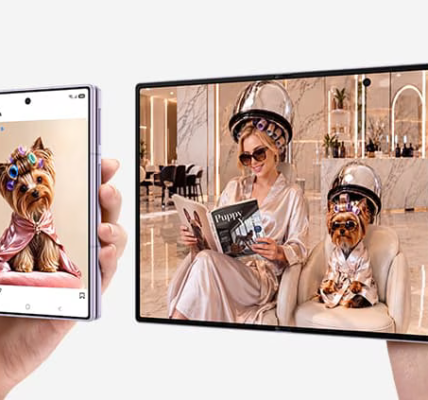
People no longer need to carry a separate camera for many common situations. Modern smartphones can capture high-quality photos and videos with multiple lenses, computational photography, stabilization, and advanced image processing.
Photography has become more accessible because almost everyone can carry a capable camera in their pocket.
Smartphone photography has also influenced social media, journalism, marketing, travel, and content creation.
From family memories to professional promotional videos, smartphones are now an important part of visual communication.
Smartphones and Online Shopping
Shopping has become more convenient through mobile technology.
Consumers can search for products, compare prices, read reviews, place orders, and track deliveries from their smartphones.
Mobile shopping has also changed how businesses interact with customers.
Companies can send personalized notifications, offer mobile promotions, and provide customer support through digital channels.
This has created a more connected relationship between consumers and brands.
Smartphones and Digital Payments
Mobile technology has contributed to the growth of digital payments.
Depending on the country and available services, smartphones can be used to make payments, transfer money, manage bank accounts, and monitor financial activity.
Digital payments can provide convenience and reduce the need to carry cash.
However, users should take security seriously when managing financial information through smartphones.
Strong authentication, device security, software updates, and careful handling of financial information are important.
Smartphones and Navigation
Before smartphones became common, people often relied on paper maps or dedicated navigation devices when traveling.
Today, navigation applications can provide maps, directions, traffic information, estimated travel times, and location-based recommendations.
This has changed the way people travel.
Smartphones can help users find restaurants, hotels, fuel stations, tourist attractions, businesses, and public transportation.
Location services have made navigation more convenient, but they also raise privacy considerations because location data can be sensitive.
Smartphones and Healthcare
Smartphones are becoming increasingly relevant to personal health and wellness.
Health and fitness applications can help users track activities, exercise, sleep, nutrition, and other personal measurements.
Some smartphones can also connect with wearable devices to provide additional information.
These tools can encourage people to pay more attention to their habits and activity levels.
However, smartphone health information should not automatically be treated as a substitute for professional medical advice.
Smartphones and Entertainment
Entertainment has become highly portable.
Users can watch videos, listen to music, play games, read books, follow podcasts, and access other forms of digital content from almost anywhere.
Streaming services have made it possible to enjoy entertainment without being tied to a television or computer.
Mobile gaming has also become a major form of entertainment, offering everything from simple casual games to sophisticated multiplayer experiences.
The convenience is impressive, but excessive screen time can affect sleep, concentration, and daily routines.
Smartphones and Artificial Intelligence
Artificial intelligence is becoming an increasingly important part of smartphone technology.
AI can support features such as image enhancement, voice recognition, translation, predictive text, personalized recommendations, and intelligent assistants.
Modern smartphones can process certain tasks locally while also connecting to cloud-based AI services.
As AI becomes more advanced, smartphones may become even more useful as personal digital assistants.
However, privacy and responsible data use will remain important considerations.
Benefits of Smartphones
Smartphones offer many advantages.
Convenience
A wide range of tools can be accessed from one device.
Connectivity
People can communicate with others almost instantly.
Productivity
Calendar applications, email, notes, cloud services, and task-management tools can help users stay organized.
Access to Information
The internet provides access to educational and informational resources.
Entertainment
Music, videos, games, books, and podcasts are available on demand.
Emergency Communication
Smartphones can provide important communication capabilities during emergencies.
Challenges of Smartphone Use
Despite their advantages, smartphones also create challenges.
Digital Distraction
Constant notifications can interrupt concentration.
Excessive Screen Time
Spending too much time on screens can interfere with sleep, exercise, and face-to-face interaction.
Privacy Concerns
Smartphones can collect information about location, activity, applications, and online behavior.
Cybersecurity Risks
Lost devices, malicious applications, phishing attacks, and weak passwords can put personal information at risk.
Social Pressure
Social media can sometimes create pressure to constantly stay connected or compare one’s life with others.
Recognizing these challenges can help users develop healthier smartphone habits.
How to Use Smartphones More Responsibly
Smartphones are most useful when they serve the user rather than constantly demanding attention.
A few simple habits can help.
Turn off unnecessary notifications so you are not interrupted constantly.
Use screen-time controls to understand how much time you spend on different applications.
Keep your device updated and use a strong screen lock.
Avoid using your smartphone continuously during meals, conversations, or important work.
Create periods during the day when you intentionally disconnect from your device.
These small changes can help create a healthier relationship with technology.
The Future of Smartphones
Smartphone technology is likely to continue evolving.
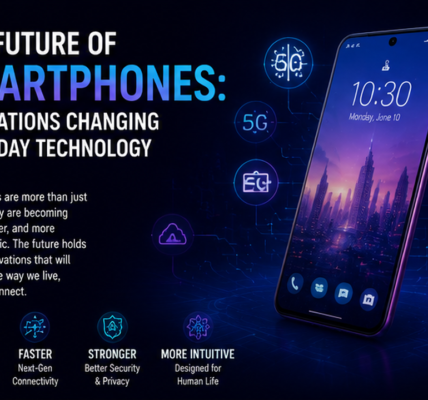
Future devices may become more powerful, energy-efficient, intelligent, and integrated with wearable technology and other connected devices.
Artificial intelligence may make smartphones more personalized and capable of anticipating certain user needs.
Camera technology, battery performance, connectivity, and device design are also likely to continue improving.
At the same time, privacy, security, sustainability, and responsible technology use will become increasingly important.
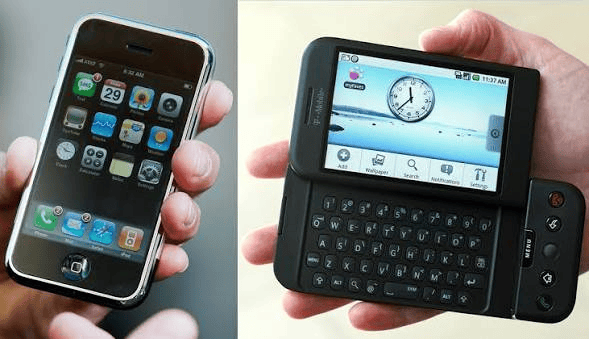
The future smartphone may not simply be a better phone. It may become an even more central part of a connected digital ecosystem.
Conclusion
Smartphones have transformed the way we live.
They have changed communication, education, work, entertainment, photography, shopping, navigation, digital payments, and access to information.
Their greatest strength is their versatility. A small device can provide tools that once required many separate technologies.
However, convenience comes with responsibility.
Users need to protect their information, manage screen time, recognize digital risks, and make conscious choices about how they use technology.
Smartphones are powerful tools, but their value depends on how we use them.
As technology continues to advance, smartphones will likely become even more integrated into daily life. The challenge will be to embrace their benefits while maintaining privacy, security, productivity, and a healthy balance between the digital and real worlds.
Frequently Asked Questions
How have smartphones changed our daily lives?
Smartphones have changed how people communicate, work, study, shop, travel, entertain themselves, access information, and manage everyday tasks.
Why are smartphones important?
Smartphones provide convenient access to communication, internet services, applications, digital payments, navigation, entertainment, education, and productivity tools.
How do smartphones help students?
Students can use smartphones to access educational resources, online courses, digital notes, language-learning applications, productivity tools, and communication platforms.
What are the disadvantages of smartphones?
Potential disadvantages include distraction, excessive screen time, privacy concerns, cybersecurity risks, sleep disruption, and reduced face-to-face interaction.
How can I use my smartphone more responsibly?
Limit unnecessary notifications, monitor screen time, keep your device secure and updated, take regular breaks, and avoid using your phone when it interferes with important activities or relationships.
What will smartphones be like in the future?
Future smartphones are likely to become more intelligent, powerful, connected, and personalized, with continued developments in artificial intelligence, cameras, connectivity, batteries, and device design.