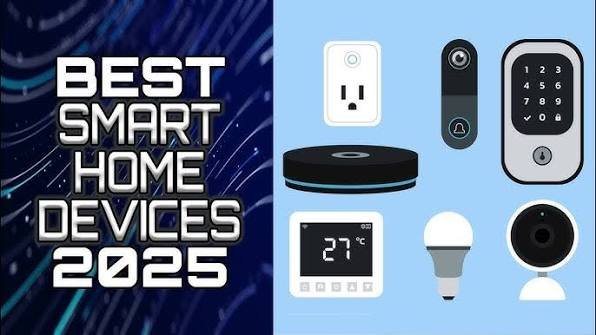
“The Complete Guide to 25 Smart Devices Transforming Modern Technology”

Introduction to Smart Devices
Technology has changed the way people live, work, communicate, and entertain themselves. Among the biggest innovations of the modern digital era are Smart Devices. These intelligent electronic products have become an important part of everyday life by making tasks easier, faster, and more convenient.
Smart devices are electronic devices that can connect to the internet, collect information, process data, and interact with users or other devices. Unlike traditional devices, smart devices can automatically perform actions, learn user preferences, and provide personalized experiences.
From smartphones and smart watches to smart home systems and smart appliances, these technologies are transforming homes, offices, healthcare, transportation, and many other industries. As internet connectivity and artificial intelligence continue to improve, smart devices are becoming more powerful and useful every year.
What Are Smart Devices?
Smart devices are advanced electronic devices equipped with sensors, software, processors, and internet connectivity. These features allow them to communicate with users and other connected systems.
A traditional device usually performs a fixed function. For example, a normal clock only shows time. However, a smart watch can display time, monitor health activities, receive notifications, track fitness goals, and connect with other devices.
The main characteristics of smart devices include:
- Internet connectivity
- Artificial intelligence capabilities
- Data collection and analysis
- Automation features
- Remote control options
- User personalization
These features allow smart devices to provide more efficient and convenient solutions compared to traditional technology.
The Evolution of Smart Devices
The journey of smart devices started with the development of computers and digital technology. Early electronic devices were large, expensive, and limited in functionality. Over time, improvements in microprocessors, wireless communication, and software development made it possible to create smaller and more intelligent products.
The introduction of smartphones was one of the biggest milestones in smart technology. Smartphones combined communication, computing, entertainment, and internet access into a single portable device.
Later, technologies such as artificial intelligence, cloud computing, and the Internet of Things (IoT) expanded the possibilities of smart devices. Today, millions of connected devices work together to create smarter environments.
Types of Smart Devices
1. Smartphones
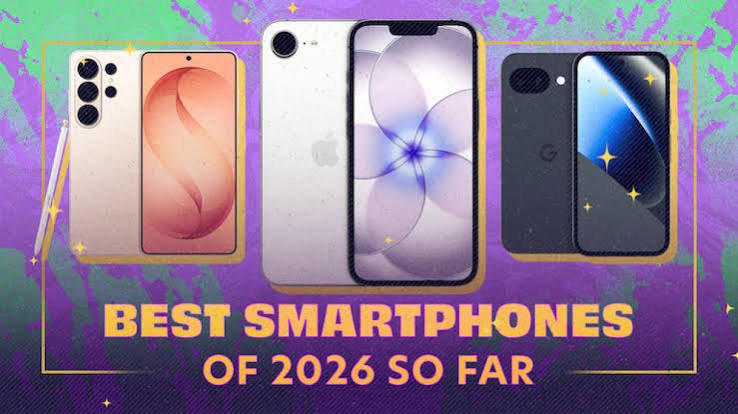
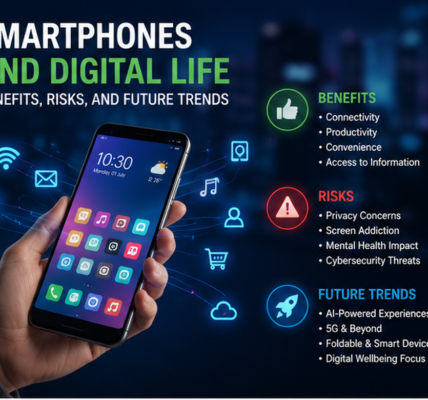
Smartphones are among the most common smart devices worldwide. They allow users to communicate, browse the internet, take photos, manage work, access entertainment, and use thousands of applications.
Modern smartphones include advanced features such as:
- Artificial intelligence assistants
- High-quality cameras
- Biometric security
- Mobile payments
- Health tracking
- Smart connectivity
Because of their versatility, smartphones have become an essential part of daily life.
2. Smart Watches
Smart watches are wearable smart devices designed to provide information and monitor user activities. They can track physical exercise, measure health data, display notifications, and connect with smartphones.
Many people use smart watches for:
- Fitness tracking
- Heart rate monitoring
- Sleep analysis
- Navigation
- Communication
These devices have become especially popular among people interested in health and fitness.
3. Smart Home Devices
Smart home technology allows homeowners to control different systems through connected devices. Smart home devices improve comfort, security, and energy efficiency.
Examples include:
- Smart lights
- Smart thermostats
- Smart security cameras
- Smart door locks
- Smart speakers
Users can control many smart home products through mobile applications or voice commands.
4. Smart Appliances
Smart appliances are household machines with advanced digital features. They can connect to the internet and provide automatic control.
Examples include:
- Smart refrigerators
- Smart washing machines
- Smart ovens
- Smart air conditioners
These appliances help save time, reduce energy usage, and improve household management.
Benefits of Smart Devices
Smart devices offer many advantages that improve daily life. Their popularity continues to grow because they provide convenience, efficiency, and better control.
Increased Convenience
One of the biggest benefits of smart devices is convenience. Users can complete tasks quickly without manual effort. For example, smart assistants can answer questions, set reminders, control devices, and provide information instantly.
Better Productivity
Smart devices help people manage their personal and professional tasks more effectively. Smartphones, tablets, and smart computers allow users to work from almost anywhere.
Features such as cloud storage, digital calendars, and productivity applications help users organize their activities.
Improved Security
Smart security devices provide better protection for homes and businesses. Smart cameras, alarms, and monitoring systems allow users to check their properties remotely.
Energy Efficiency
Many smart devices help reduce energy consumption. Smart thermostats and lighting systems can automatically adjust settings based on user behavior and environmental conditions.
Health Monitoring
Wearable smart devices provide valuable health information. They can track activities, monitor important health signals, and encourage healthier lifestyles.
How Smart Devices Work
Smart devices work through a combination of hardware and software technologies. Their main components include sensors, processors, communication systems, and applications.
Sensors collect information from the environment. For example, a smart watch sensor can measure heart rate, while a smart camera sensor can detect movement.
The processor analyzes collected information and decides what action should be taken. Software applications allow users to interact with the device.
Internet connectivity enables smart devices to communicate with online services and other connected products.
The Role of Artificial Intelligence in Smart Devices
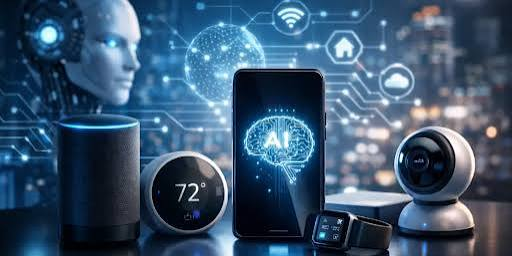
Artificial intelligence has made smart devices more intelligent and capable. AI allows devices to understand patterns, learn from user behavior, and make automatic decisions.
Examples of AI in smart devices include:
- Voice recognition
- Personalized recommendations
- Smart photography features
- Automated home control
- Predictive health analysis
As AI technology develops, future smart devices are expected to become even more helpful and independent.
Smart Devices and the Internet of Things (IoT)
The Internet of Things (IoT) is a system where different devices connect and exchange information through the internet. Smart devices are a major part of IoT technology.
For example, a smart home system can connect lights, cameras, speakers, and appliances together. Users can control these devices through one platform.
IoT technology is creating smarter cities, businesses, and homes by improving automation and communication.
Smart Devices in Different Industries
Smart devices are no longer limited to personal use. They are now transforming multiple industries by improving efficiency, reducing costs, and creating better experiences for users. From hospitals to schools and businesses, smart technology is helping organizations make faster and smarter decisions.
Smart Devices in Healthcare
Healthcare is one of the industries where smart devices are making a major impact. Modern medical technology uses connected devices to monitor patients, collect health information, and improve medical services.
Wearable smart devices such as fitness trackers and smart watches can monitor important health information, including:
- Heart rate
- Physical activity
- Sleep patterns
- Blood oxygen levels
- Daily exercise habits
Doctors and healthcare professionals can use digital health data to understand patient conditions and provide better care.
Remote Patient Monitoring
One of the biggest advantages of smart healthcare devices is remote monitoring. Patients can use connected medical devices at home while doctors receive important information through digital platforms.
This technology is especially useful for:
- Elderly people
- Patients with chronic conditions
- People recovering after medical procedures
Remote monitoring reduces unnecessary hospital visits and helps patients receive timely medical attention.
Smart Medical Equipment
Hospitals are also adopting smart medical equipment that improves accuracy and efficiency. Intelligent machines can assist doctors in diagnosis, treatment planning, and patient management.
Examples include:
- Smart medical sensors
- Connected hospital systems
- Automated medication systems
- Digital health monitoring tools
These technologies help healthcare professionals provide faster and safer services.
Smart Devices in Education
Education has changed significantly with the introduction of smart technology. Smart devices provide students and teachers with new ways to learn, communicate, and share information.
Smart Learning Tools
Tablets, smart boards, and educational applications have become common in modern classrooms. These tools make lessons more interactive and engaging.
Students can use smart devices for:
- Online learning
- Research
- Digital assignments
- Video lessons
- Interactive activities
Teachers can also use technology to create personalized learning experiences.
Benefits of Smart Devices in Education
Smart devices offer several educational benefits:
Easy Access to Information
Students can access millions of learning resources through the internet. Digital libraries, online courses, and educational platforms make knowledge available worldwide.
Improved Student Engagement
Interactive content, videos, and digital simulations help students understand complex topics more easily.
Flexible Learning
Smart devices allow students to learn from anywhere. Online education platforms have made learning more accessible for people around the world.
Smart Devices in Business
Businesses are using smart devices to improve communication, productivity, and customer experiences. Modern companies depend on connected technology to operate more efficiently.
Smart Office Technology
Smart office devices help organizations create better working environments.
Examples include:
- Smart meeting systems
- Connected computers
- Digital assistants
- Smart security systems
- Automated lighting
These technologies help employees save time and focus on important tasks.
Smart Devices for Remote Work
The growth of remote work has increased the demand for smart devices. Laptops, tablets, smartphones, and collaboration tools allow employees to work from different locations.
Smart technology helps teams:
- Communicate effectively
- Share files
- Attend online meetings
- Manage projects
Customer Experience Improvement
Businesses use smart devices to understand customer needs and provide better services.
For example, smart retail systems can analyze customer behavior and create personalized shopping experiences.
Smart Devices in Transportation
Transportation is another area being transformed by smart technology. Connected vehicles and intelligent transportation systems are improving safety and convenience.
Smart Cars
Modern vehicles include many smart features designed to improve driving experiences.
Examples include:
- Navigation systems
- Driver assistance technology
- Parking sensors
- Voice controls
- Vehicle monitoring systems
These features help drivers travel more safely and efficiently.
Smart Traffic Management
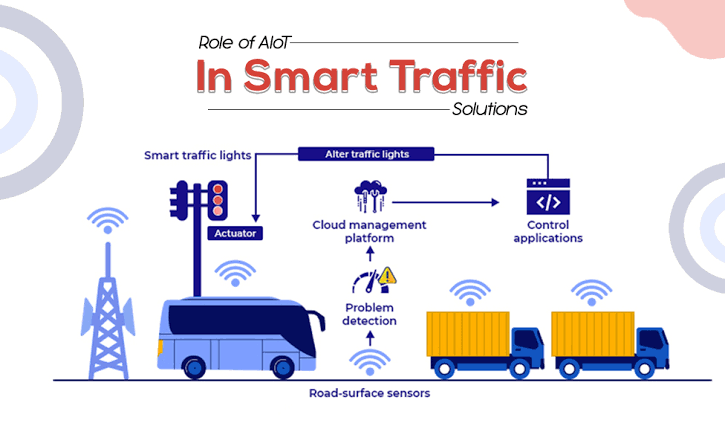
Cities are using smart devices to manage traffic flow and reduce congestion. Connected traffic signals, sensors, and cameras collect information to improve transportation systems.
Smart transportation can help reduce:
- Traffic delays
- Fuel consumption
- Road accidents
- Environmental pollution
Smart Devices and Home Automation
Smart home technology is becoming increasingly popular because it provides comfort, security, and energy savings.
A smart home allows users to control different household systems through mobile applications or voice commands.
Smart Lighting
Smart lighting systems allow users to control brightness, colors, and schedules automatically.
Benefits include:
- Lower electricity usage
- Better home atmosphere
- Automatic control
Smart Security Systems
Security is one of the main reasons people choose smart home devices.
Smart security products include:
- Security cameras
- Smart doorbells
- Motion sensors
- Smart locks
These devices allow homeowners to monitor their property from anywhere.
Smart Speakers and Voice Assistants
Smart speakers have become popular because they allow users to control devices using voice commands.
They can help with:
- Setting reminders
- Playing music
- Checking weather information
- Controlling smart home devices
Privacy and Security Challenges of Smart Devices
Although smart devices provide many benefits, they also create challenges related to privacy and security.
Because smart devices collect personal information, protecting user data is extremely important.
Common Security Risks
Some risks include:
- Unauthorized access
- Data leaks
- Weak passwords
- Malware attacks
Users should take security precautions to protect their information.
How to Improve Smart Device Security
People can improve security by:
- Using strong passwords
- Updating device software regularly
- Enabling security features
- Buying devices from trusted manufacturers
- Checking privacy settings
Responsible use of technology helps users enjoy the benefits of smart devices safely.
The Future of Smart Devices
The future of smart devices looks promising as technology continues to advance. New innovations in artificial intelligence, robotics, and connectivity will create more powerful and useful devices.
Future smart devices may become:
- More intelligent
- More energy efficient
- More personalized
- More connected
Artificial intelligence will allow devices to understand human needs better and provide automatic solutions.
Smart Devices and Artificial Intelligence Growth
AI will continue to play an important role in the development of smart technology. Future devices may predict user behavior, automate complex tasks, and provide advanced recommendations.
For example, future smart homes may automatically adjust temperature, lighting, and security settings according to user habits.
Frequently Asked Questions (FAQs) About Smart Devices
1. What are Smart Devices?
Smart devices are electronic products that connect to the internet and use advanced technology to perform tasks automatically. They can collect data, communicate with other devices, and provide users with smart solutions for daily activities.
2. What are some examples of Smart Devices?
Common examples of smart devices include smartphones, smart watches, smart speakers, smart TVs, smart home security cameras, smart appliances, and connected vehicles. These devices make everyday tasks easier and more efficient.
3. Are Smart Devices safe to use?
Yes, smart devices are generally safe when used properly. Users should protect their devices by using strong passwords, updating software regularly, and choosing trusted brands to reduce security and privacy risks.
4. How do Smart Devices improve daily life?
Smart devices improve daily life by saving time, increasing convenience, improving security, and helping users manage tasks more efficiently. They can automate home systems, monitor health, and provide instant access to information.
5. What is the future of Smart Devices?
The future of smart devices will focus on artificial intelligence, automation, and better connectivity. Future devices are expected to become more intelligent, personalized, energy-efficient, and capable of understanding user needs.
Conclusion
Smart devices have become an essential part of modern life by making tasks easier, faster, and more convenient. From smart homes to healthcare and business solutions, these technologies continue to improve daily experiences. With the growth of artificial intelligence and connectivity, smart devices will play an even greater role in creating a smarter and more connected future.